Included with your system

The Circulis Skill Progression Program

The complete footwork-and-tricks skill ladder, built for women who refuse to fall apart. Learn a new move each week, so getting better is what keeps you coming back.

Yours for good with every Circulis system — no app, no subscription.

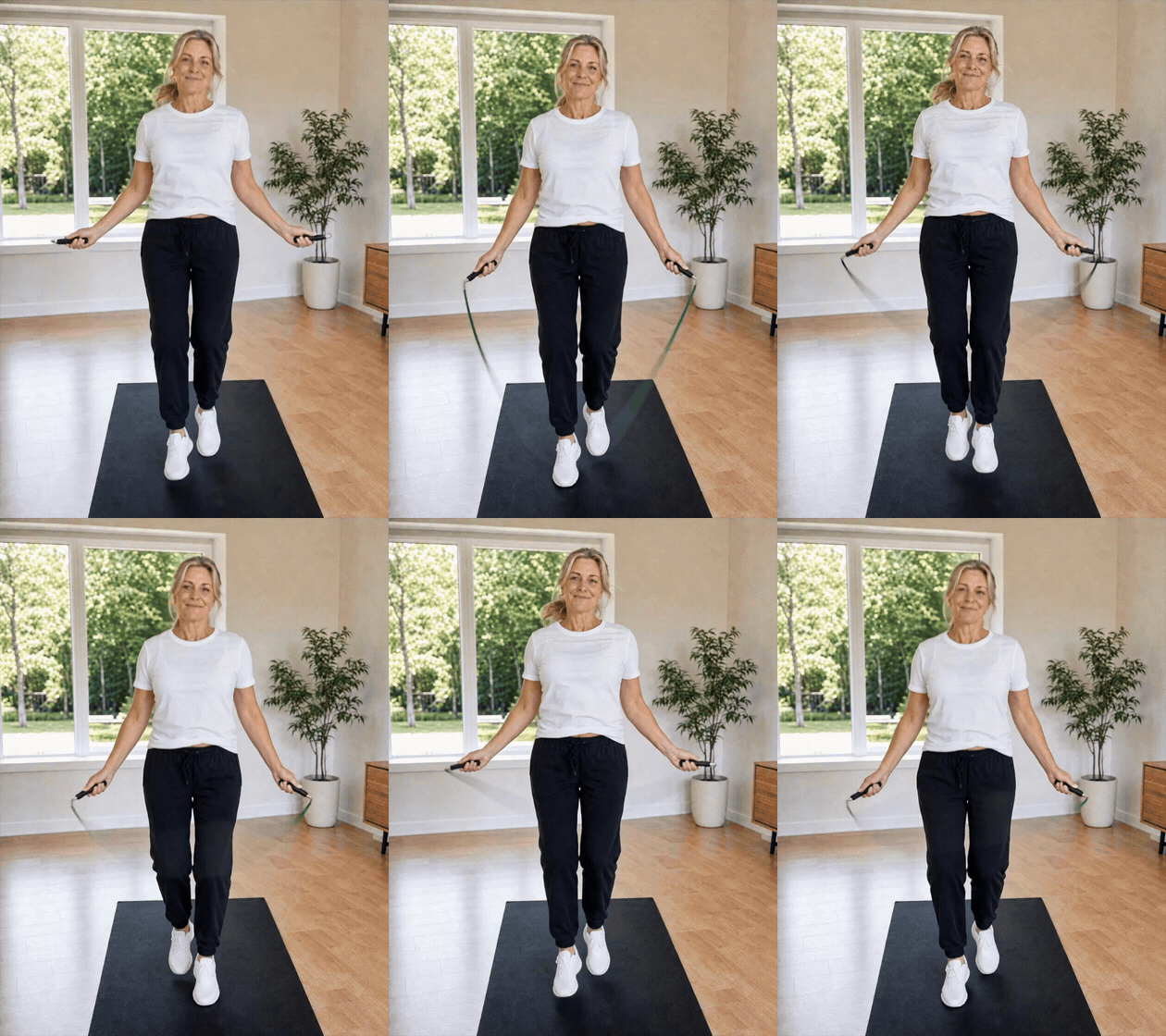
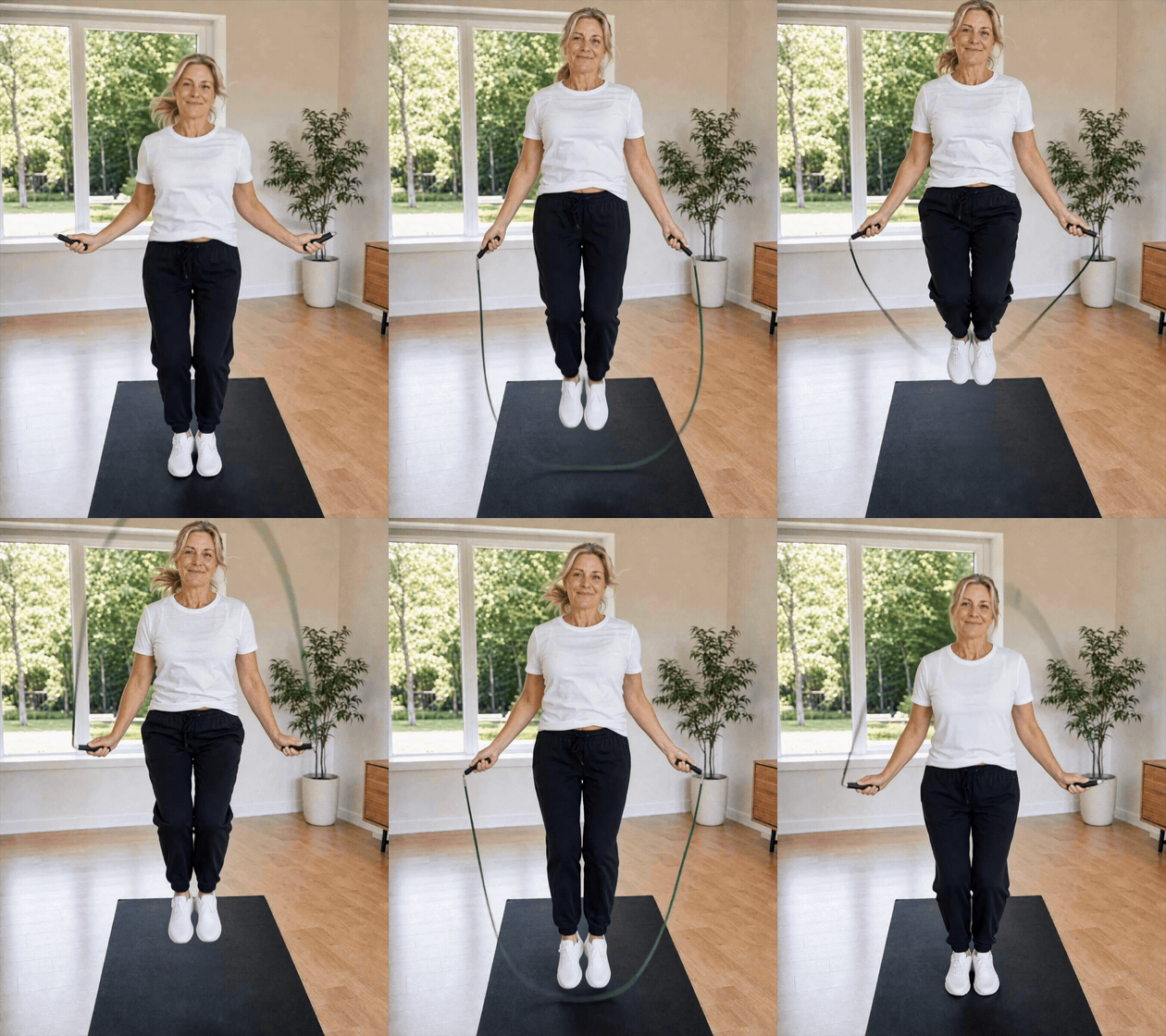
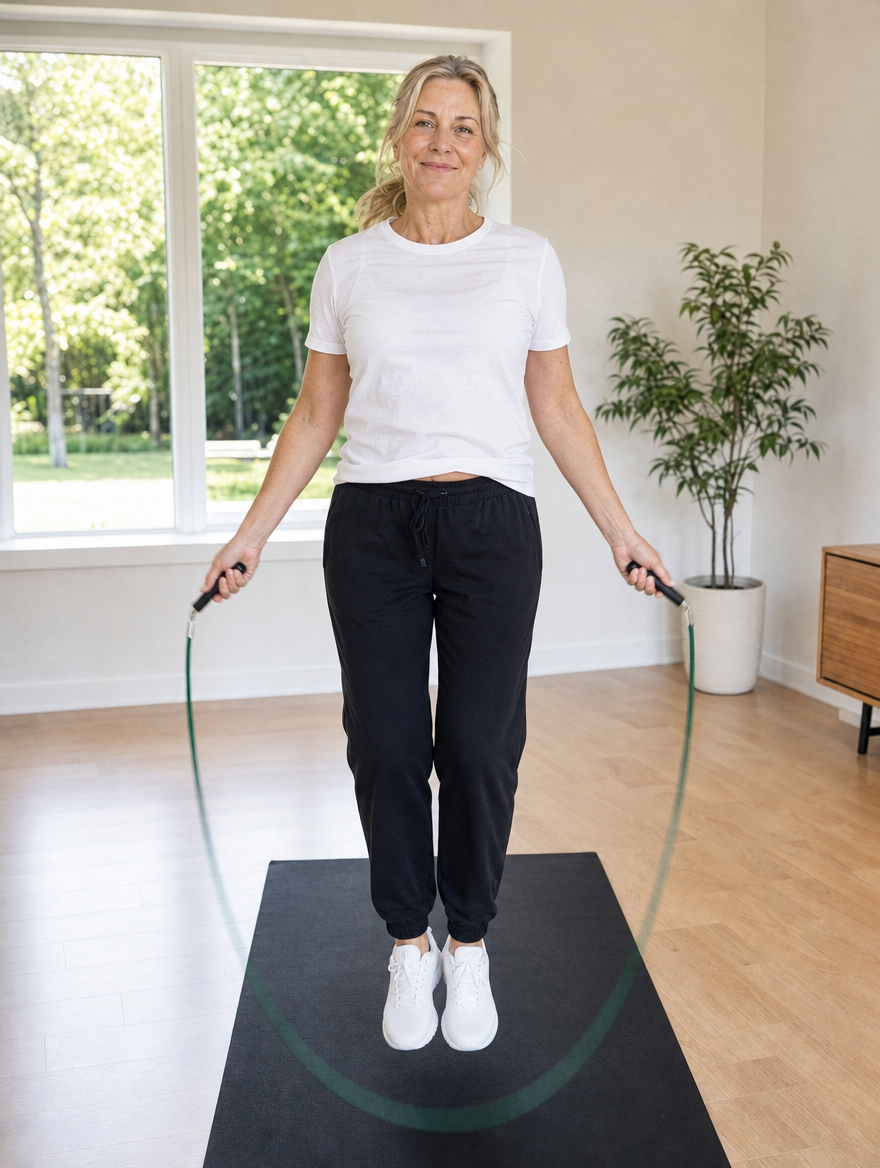
Video demonstration of the Basic Bounce Basic Bounce
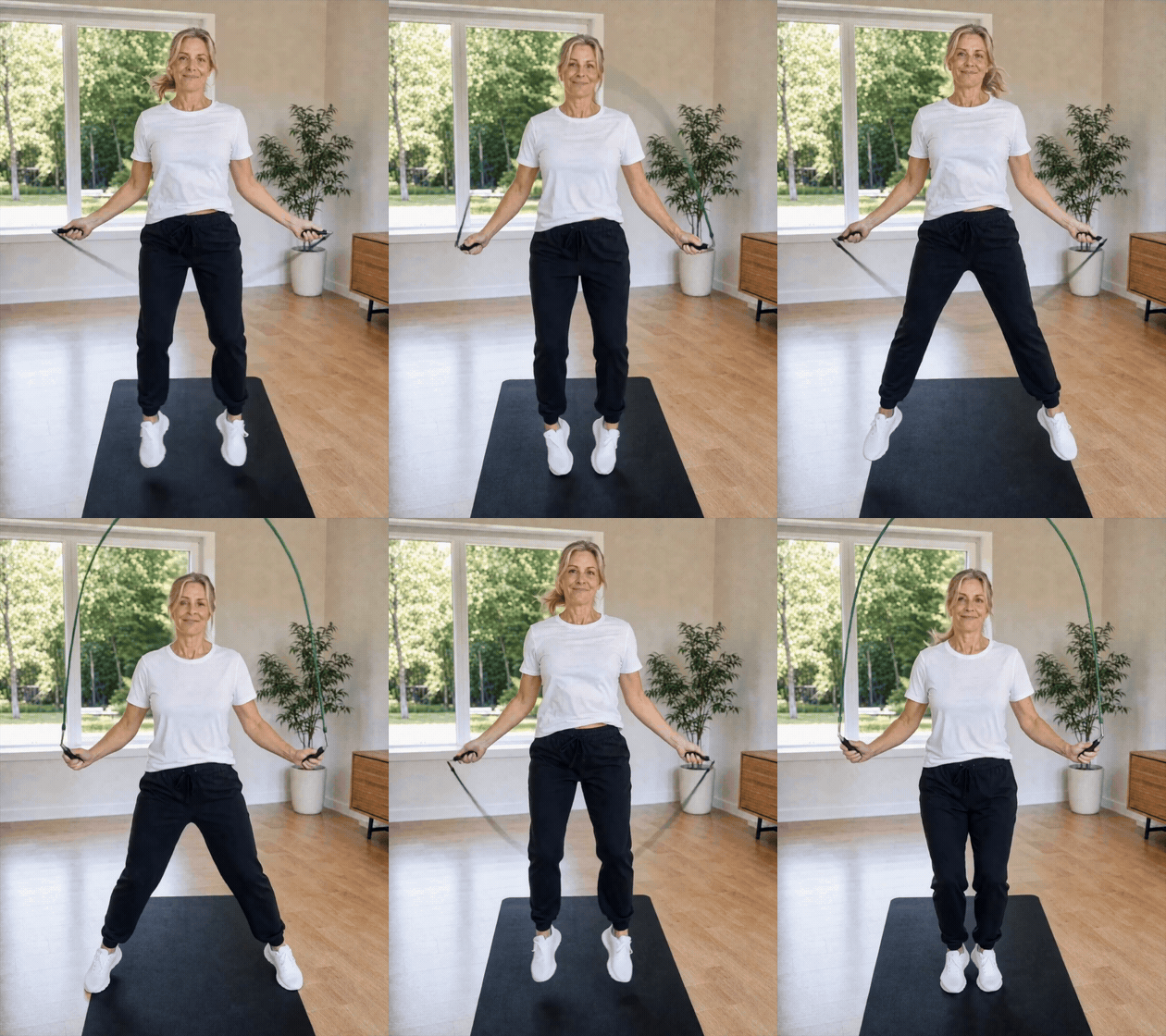
Video demonstration of the Skier Skier
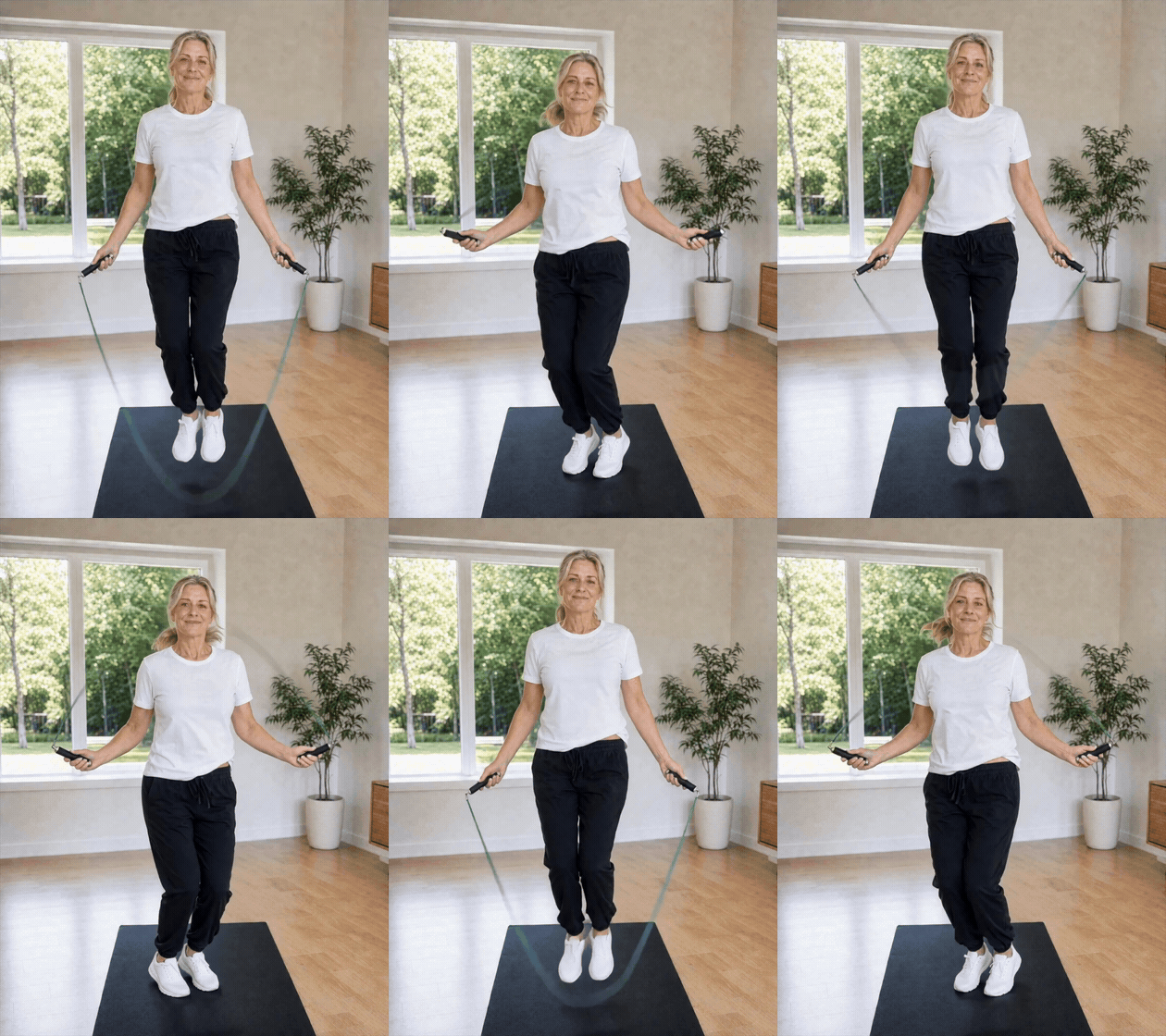
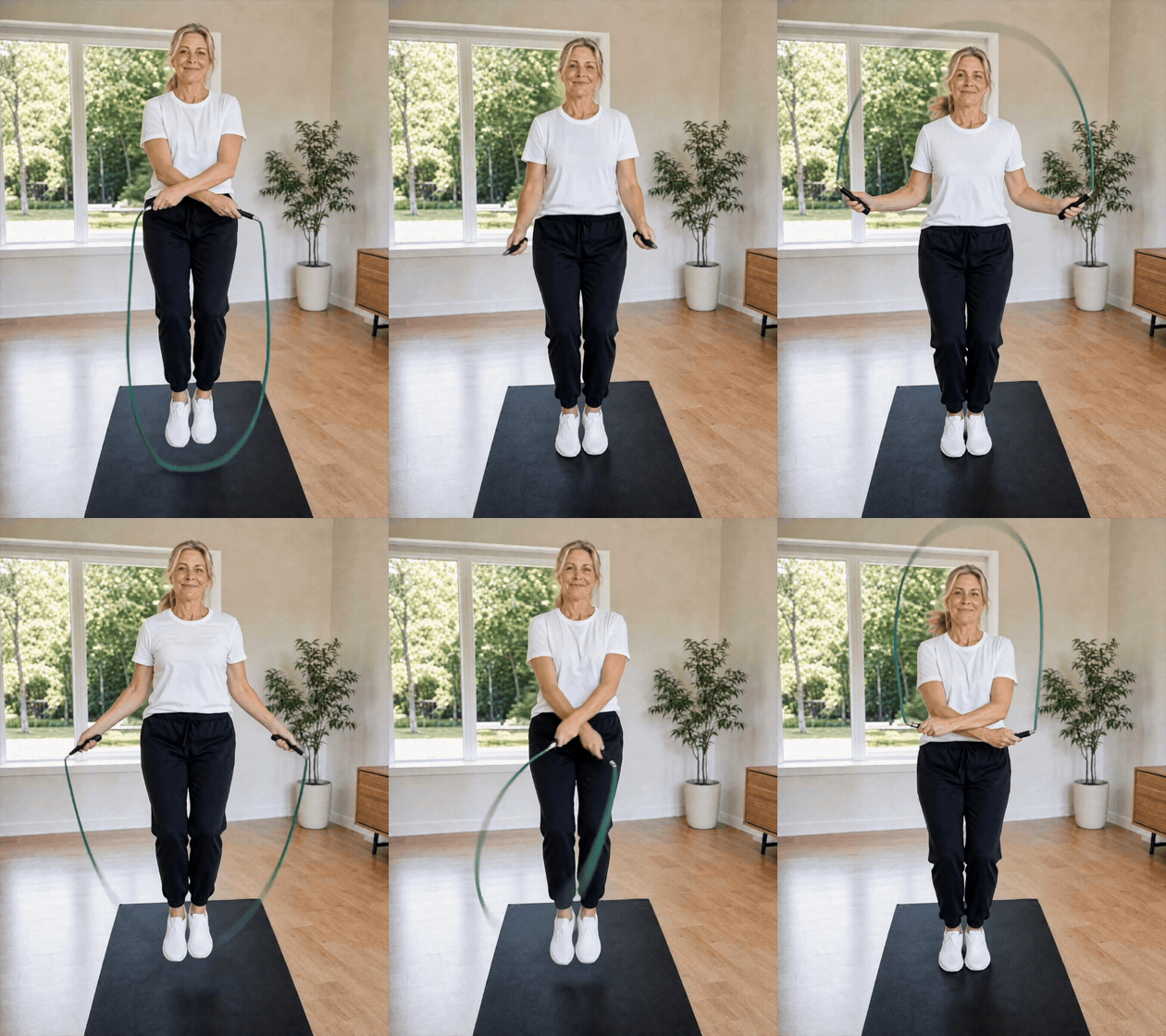
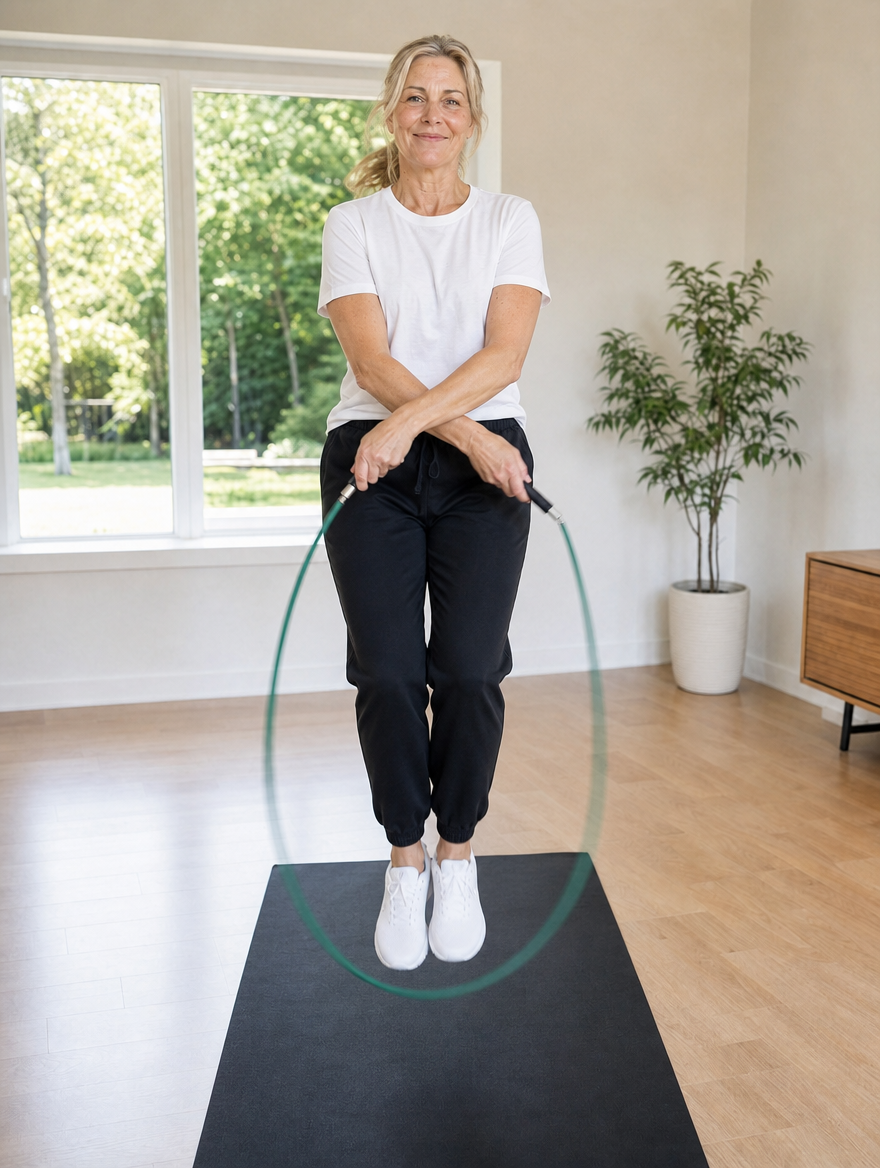
Video demonstration of the Criss-Cross Criss-Cross
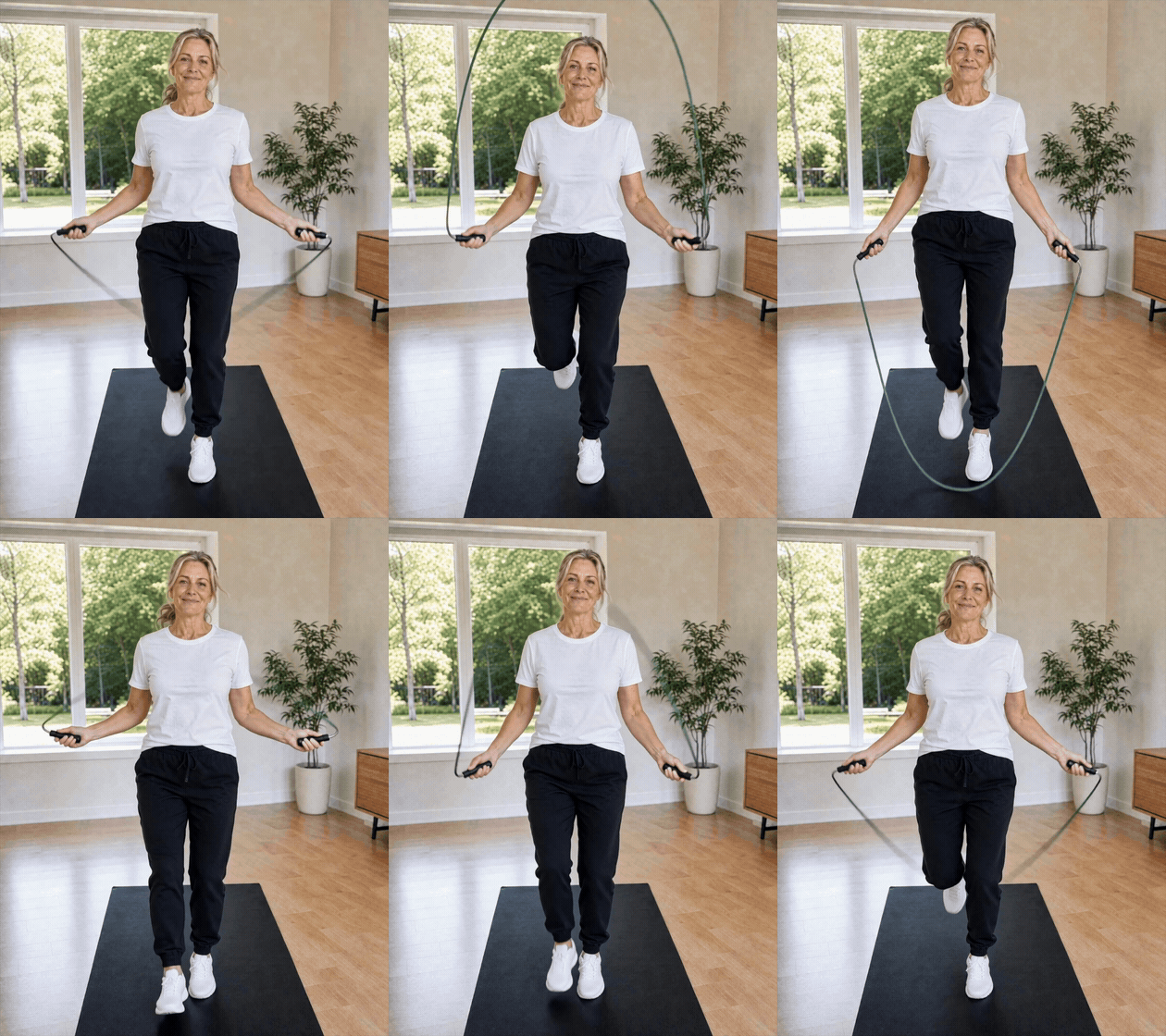
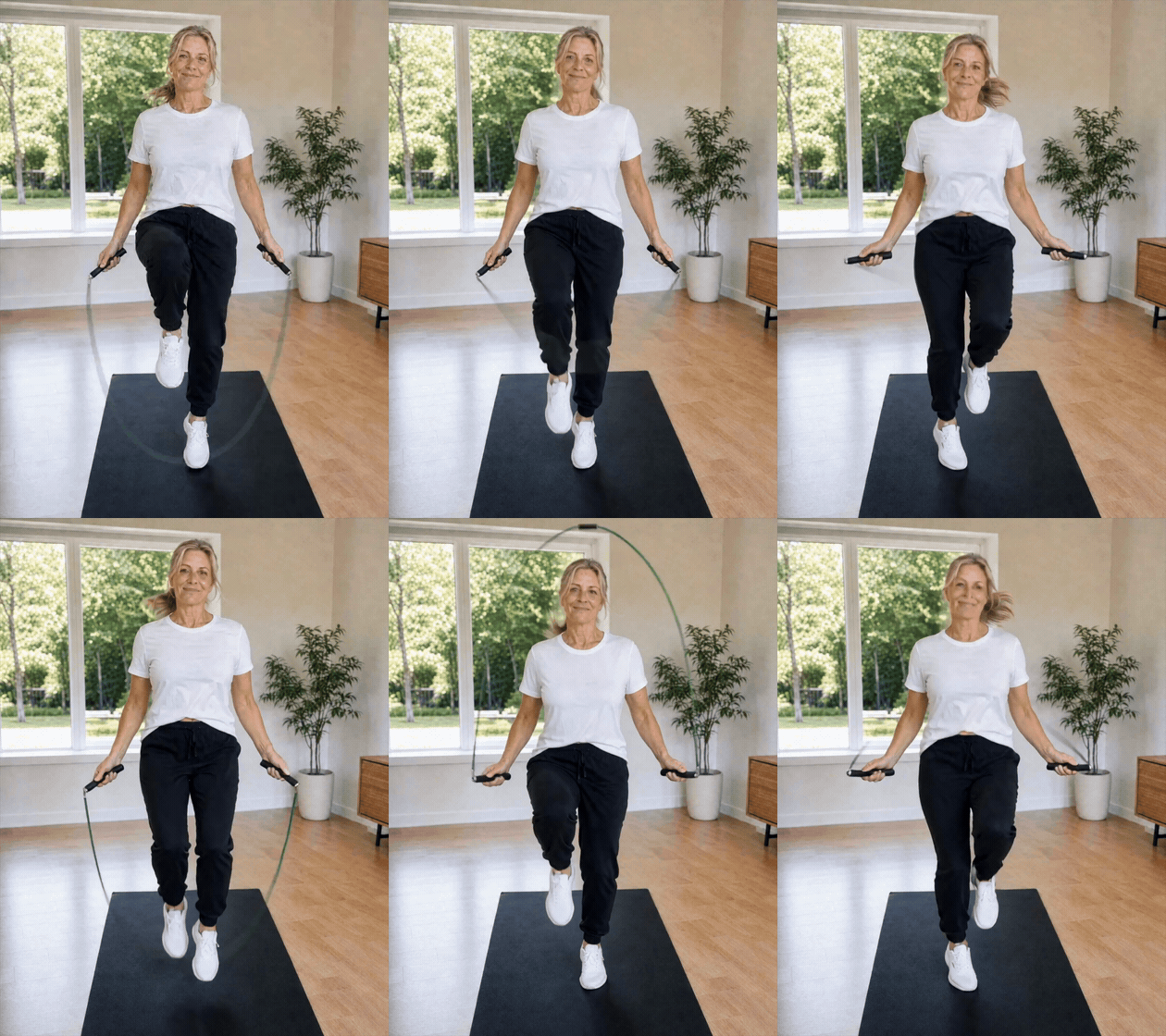
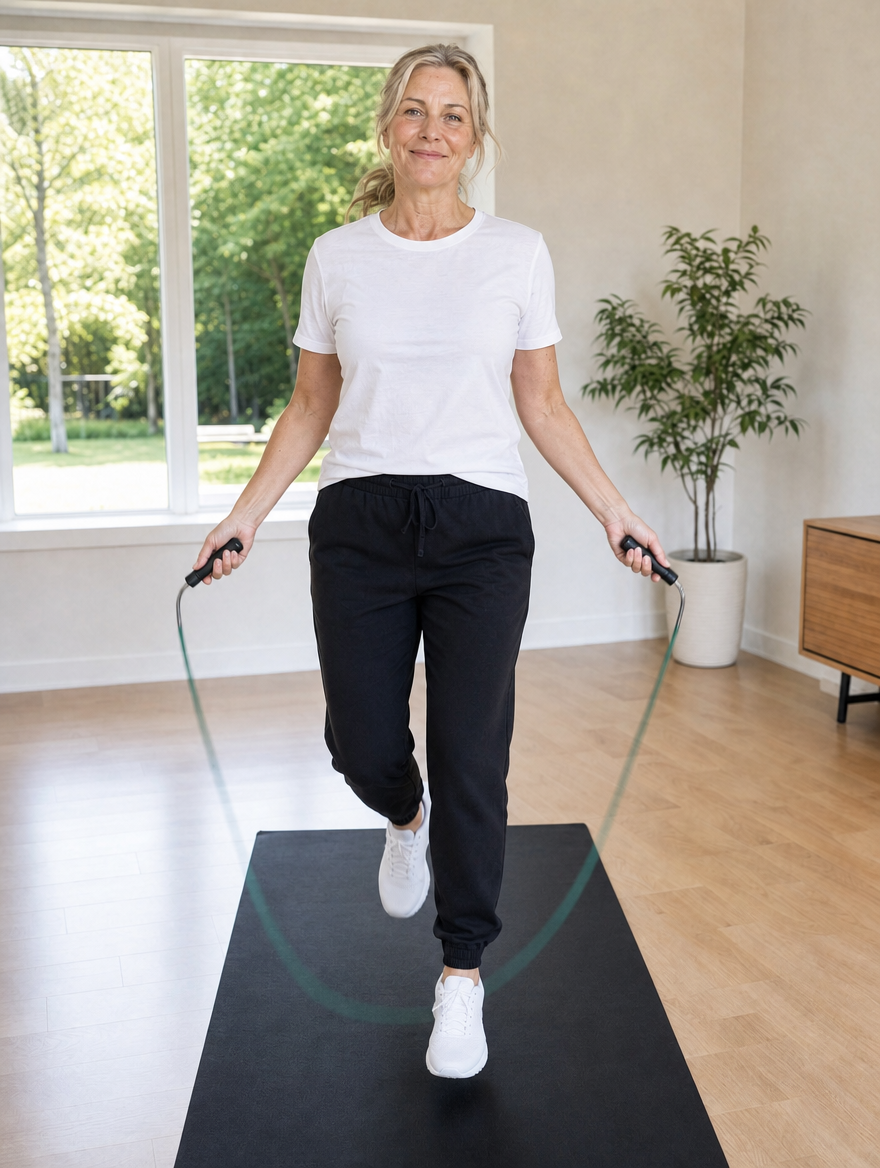
Demonstration of the Leg Swing Leg Swing

Jump to any section

Start Here

Skills Are What Make It Stick

Most cardio gives you one thing to do and asks you to do it forever, the same motion until you're bored enough to quit. That's how the treadmill ends up holding laundry. This guide works differently. Instead of grinding out the same bounce, you climb a ladder of small skills, one move at a time. You learn the timing, you land something you couldn't do last week, and getting better is the part that keeps you coming back.

1

Climb in order

Start at Level 1 and move up one rung at a time. Each move builds on the last, so you're never in over your head.

2

Watch, then copy

Every move has a short video demo. Watch it once, then try it yourself. A little fumbling is part of it.

3

Tick it off

Mark each move as you land it. Seeing the list fill in is what keeps you going.

Your weekly rhythm

Strength Cardio you're here Mobility

Aim for 10 to 15 minutes, 3 to 4 times a week, with rest days in between. A body ages best with three things: strength from your weights, cardio from this, and mobility from your stretching. You alternate between them, you don't do all three every day. Circulis is the cardio piece, done well. It won't replace your weights or your stretching, and it was never meant to.

Set Up Right

Your Gentle On-Ramp

Five minutes of setup before your first jump makes everything easier, and kinder on your body. Start light, keep it low and soft, and build from there. Nobody is throwing you into the deep end.

1

Size your rope

Cut each cable to your height with the getting-started guide. It's a one-time, five-minute job, and a rope that fits is a rope you can control.

2

Start on the ¼ lb

Begin with the lightest cable while you find your rhythm. Move up to the ½ and 1 lb when you're ready, not before.

3

Mat and good shoes

Jump on a mat, in supportive sneakers. Both soften every landing and go easy on your knees.

4

Keep the bounce low

A soft two-foot bounce, a few inches off the ground, landing light on the balls of your feet. Low and soft is what keeps it gentle.

5

Stand tall, breathe easy

Shoulders relaxed, eyes forward, elbows in close to your sides. Breathe steady instead of holding your breath.

6

Ease in if leaking is a worry

You're far from alone here. Empty your bladder first, start with the lightest rope and small jumps, and build up slowly. If it's a real concern, a pelvic-floor physio can help.

An honest heads-up: your first week, you'll trip. Everyone does. It takes most people about a week for the timing to click and the trips to fade. Get through that week and the rest comes easy.

New to jumping, coming back from an injury, or managing a knee or joint condition? Check with your doctor before you start, and go at your own pace.

Level 1 · Foundations

Start With the Basic Bounce

The whole program is built on one simple move. Get comfortable here first — a week or so of short sessions — and everything else builds on top of it.

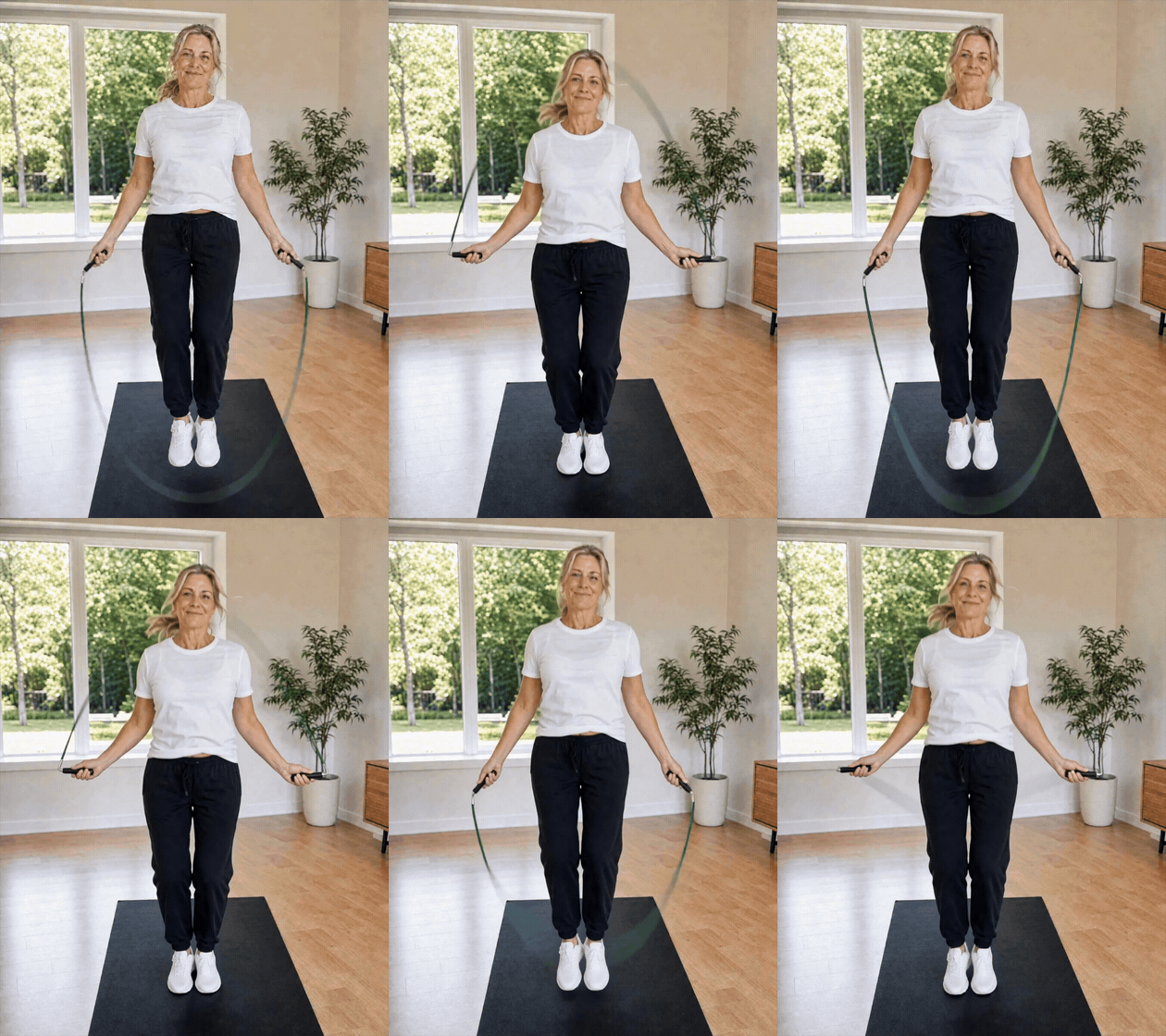
Demonstration of the Basic Bounce

Basic Bounce

The move everything else is built on. Feet together, a small soft hop a couple of inches off the mat, landing light on the balls of your feet. Turn the rope with your wrists, not big arm circles. Keep it low and quiet and you can keep it going.
Level 2 · Footwork

Mix Up Your Feet

Once the basic bounce feels easy, these keep it interesting. Learn one at a time, and start stringing your favorites together as you go.

We're actively revamping the skills content. Right now there are 11 moves to learn, with more footwork, tricks, and full combos on the way. We'll email you the moment new ones are added.

Demonstration of the Jog Step

Jog Step

Jog in place over the rope, one foot then the other. For a lot of women this feels more natural than hopping on two feet, and it's an easy way to keep going when a straight bounce gets tiring. Keep the knees low and the pace comfortable.

Demonstration of the Skier

Skier

Feet together, hop a few inches side to side, like hopping over a line on the floor. Small, light, and easy on the knees. Let your ankles do the work and keep your upper body steady.

Demonstration of the Side Straddle

Side Straddle

Like the legs of a jumping jack. Jump your feet wide apart, then back together, alternating each jump. Start at a comfortable width, not your widest, and open up more as it gets easy.

Demonstration of the Scissors

Scissors

Split your stance: one foot forward, one back, then switch which foot leads on the next jump, like scissors opening and closing. Keep the movements small and let it find a rhythm.

Demonstration of the Twist

Twist

Feet together, twist your hips and knees to one side, then the other, while your shoulders stay facing forward. It works your core and feels playful once the rhythm clicks.

Demonstration of the Leg Swing

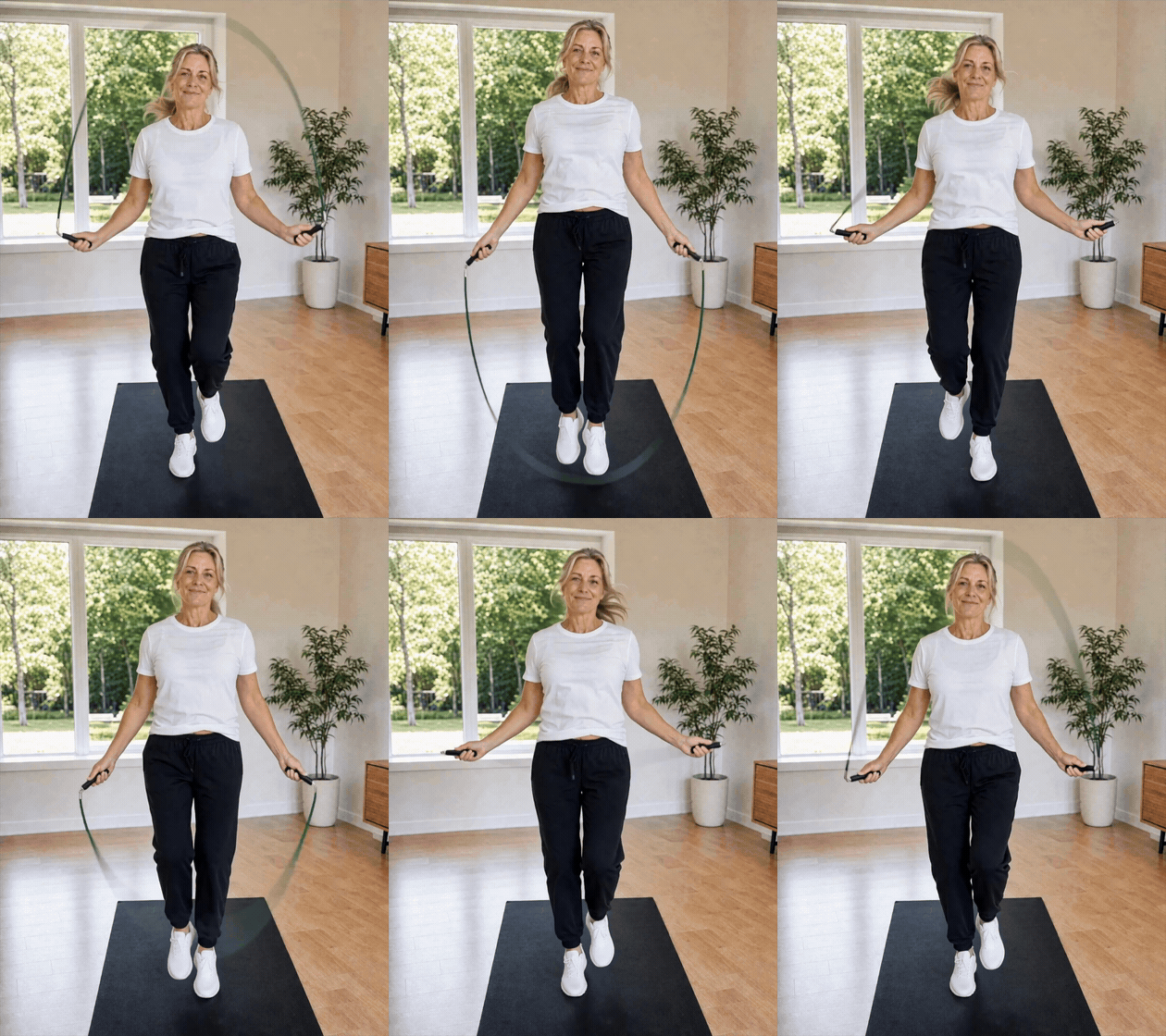
Leg Swing

Hop on one foot while your other leg swings gently forward and back, like a slow pendulum. It's a balance move as much as cardio. Keep the swing relaxed and small at first, and switch legs whenever you like.

Demonstration of High Knees

High Knees

The jog step with more effort: drive each knee up toward hip height. This is your intensity move, so it gets you breathing fast. Use it in short bursts, then drop back to a basic bounce or side swing to recover.

Level 3 · Tricks

The Fun Stuff

These are the moves that make it feel like play, and the ones you'll catch yourself wanting to show off. Take your time; they click with practice.

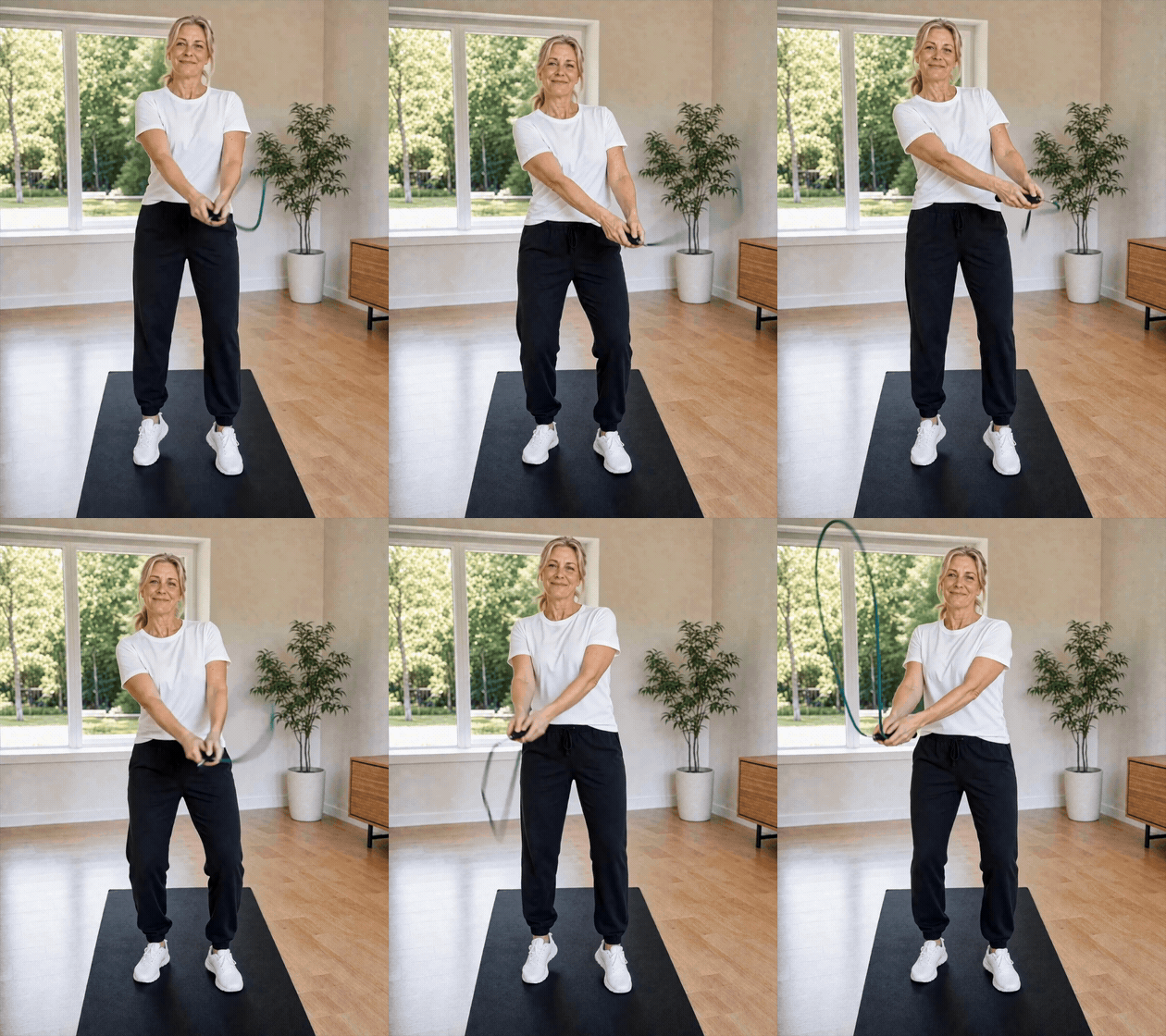
Demonstration of the Side Swing

Side Swing

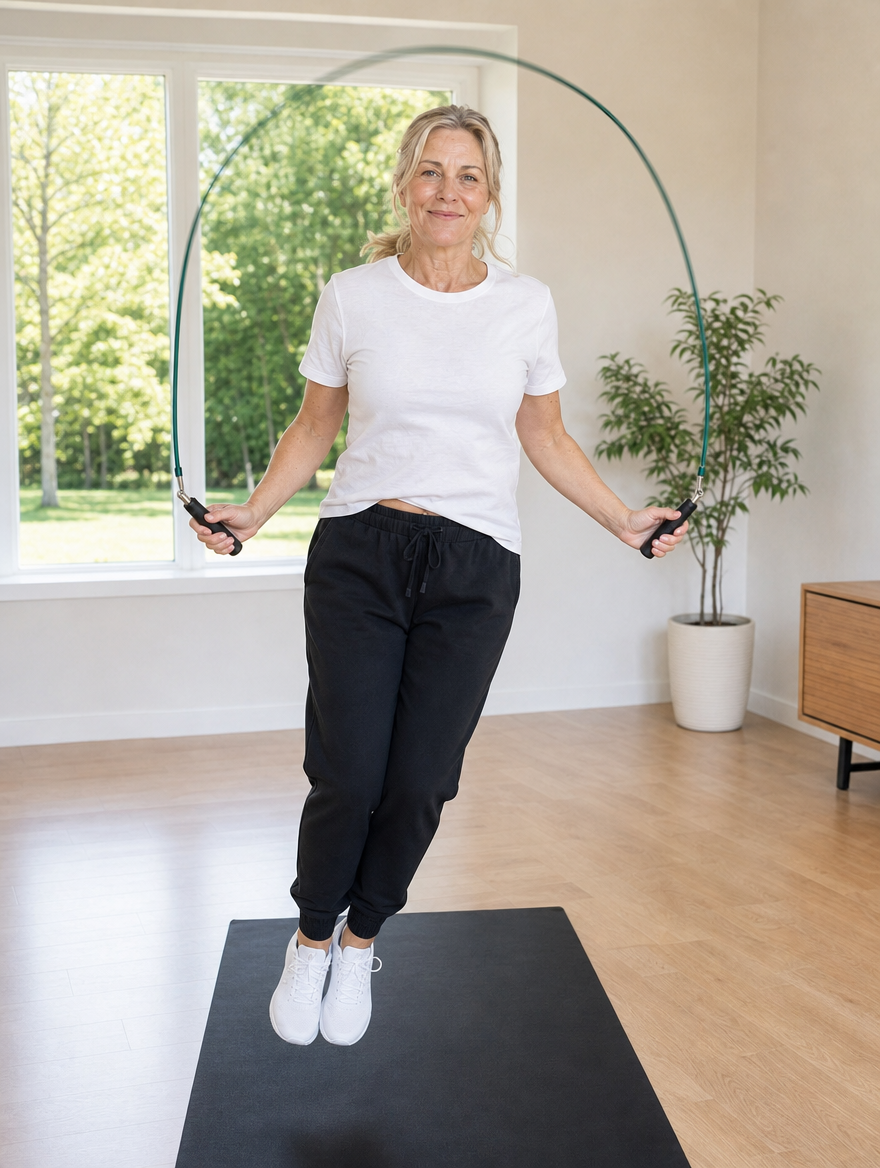
Your catch-your-breath move. Instead of jumping, bring both handles together and swing the rope in a circle beside you, then sweep it across to the other side. Use it between the harder moves so you can keep going without fully stopping.

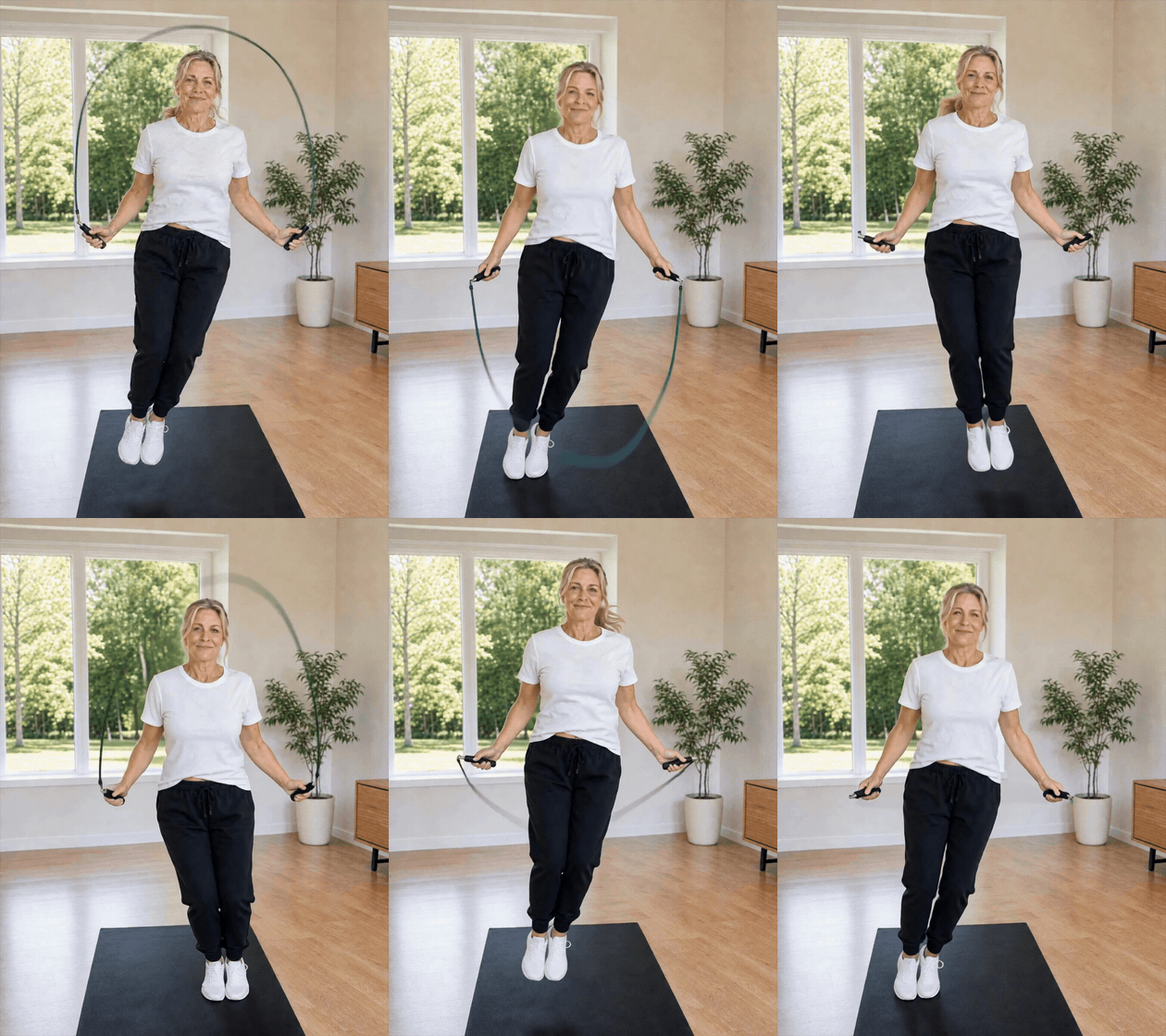
Demonstration of the Criss-Cross

Criss-Cross

On one jump, cross your forearms in front of you so the rope makes an X and jump through it; on the next, open back up. The trick is a loose, low cross at your waist, not a tense one up by your chest. This is the first move that makes you feel like you've really got this.

Demonstration of the Double-Under

Double-Under

The milestone. One higher jump, and you spin the rope fast enough to pass under your feet twice before you land. It takes practice, and most people get there once everything else feels comfortable. The first one you land, you'll know — and you'll want to do it again.

Ready-Made Routines

Don't Feel Like Planning? Follow One of These

Short sessions built from the moves above, so you can just start. Rest whenever you need to — the side swing is your keep-going-without-stopping move.

First Steps

10 minBeginner
  • 2 minBasic Bounce — find your rhythm
  • 5 minAlternate 40s Jog Step / 20s Side Swing to recover
  • 2 minEasy Basic Bounce
  • 1 minSide Swing to cool down

Everyday 15

15 minAll levels
  • 2 minBasic Bounce warm-up
  • 8 min45s each: Jog Step → Skier → Side Straddle → Scissors, with Side Swing between rounds
  • 3 minTwist and Leg Swing
  • 2 minEasy Basic Bounce cool-down

Turn It Up

12 minWhen you're ready
  • 2 minBasic Bounce warm-up
  • 6 minIntervals: 30s High Knees / 30s Side Swing, repeat
  • 2 minDouble-Under practice — attempts, no pressure
  • 2 minEasy cool-down